Green Lights and Grey Areas: Expanding Creative Collaboration in Publishing
Green Lights and Grey Areas: Expanding Creative Collaboration in Publishing
For decades, publishing has been a lane of its own - a road lined with ink and paper, where words and pictures told stories that lived quietly on shelves. But as the world of storytelling expands across screens, sounds, and platforms, those clear-cut lanes are beginning to blur. Between those blurred lines - in the grey areas - lie exciting green lights: new possibilities for collaboration, audience engagement, and creative reinvention.
Today, the question for writers and publishers isn’t just “How do I sell more books?” - it’s “How can I make this story an experience?”

Beyond the Page: The New Shape of Storytelling
In an age where readers swipe, scroll, and listen as often as they turn pages, the concept of a “book” is changing. We’ve entered an era of story ecosystems - where a single idea might exist as a novel, a short film, an audiobook, a podcast, an e-book, or an interactive app.
This evolution doesn’t mean the death of traditional publishing; rather, it signals a rebirth of creative collaboration. Writers, illustrators, and editors are no longer the only ones shaping a reader’s experience. Musicians, animators, voice artists, and even sound designers now play meaningful roles in the storytelling process.
And with every new medium comes a new opportunity - not just to tell stories differently, but to bring new collaborators into the creative fold.

Case in Point: Hatman by Adam Wallace
A standout example of this evolution is Hatman, written by bestselling children’s author Adam Wallace. In this unique project, Wallace teamed up with musicians and illustrators to transform his book into a multi-sensory experience.
Instead of limiting the book’s world to the printed page, Wallace used interactive QR codes to unlock songs and soundtracks created specifically for the story. Readers can scan a code, listen to original music, and suddenly, the story leaps off the page and into the ears.
The creativity didn’t stop there. When Hatman launched, the event was less like a traditional book signing and more like a concert-meets-storytelling experience. The musicians who composed the book’s soundtrack performed live, turning what could have been a quiet afternoon launch into a vibrant celebration of artistic unity.
It wasn’t just a book launch - it was a statement. A new blueprint for how authors and musicians can collaborate to make reading immersive, memorable, and exciting.
Why These Collaborations Matter
Storytelling has always been about connection. Music, illustration, writing, and performance each connect us to emotion in their own way. But when these forms merge, something extraordinary happens: the story begins to breathe.
Consider what happens when:
- A composer scores an e-book or audiobook, enhancing emotion.
- A YouTube channel hosts story content with original background music.
- A visual artist animates pages of a children’s book into short, shareable clips.
- A voice actor performs a scene that brings dialogue alive for social media.
These collaborations create a ripple effect - extending a story’s reach to audiences who might never have discovered it through words alone.
For readers, it’s about engagement. For creators, it’s about opportunity. And for publishers, it’s about staying relevant in a fast-evolving creative economy.
E-Books, Sound, and the Rise of Immersive Reading
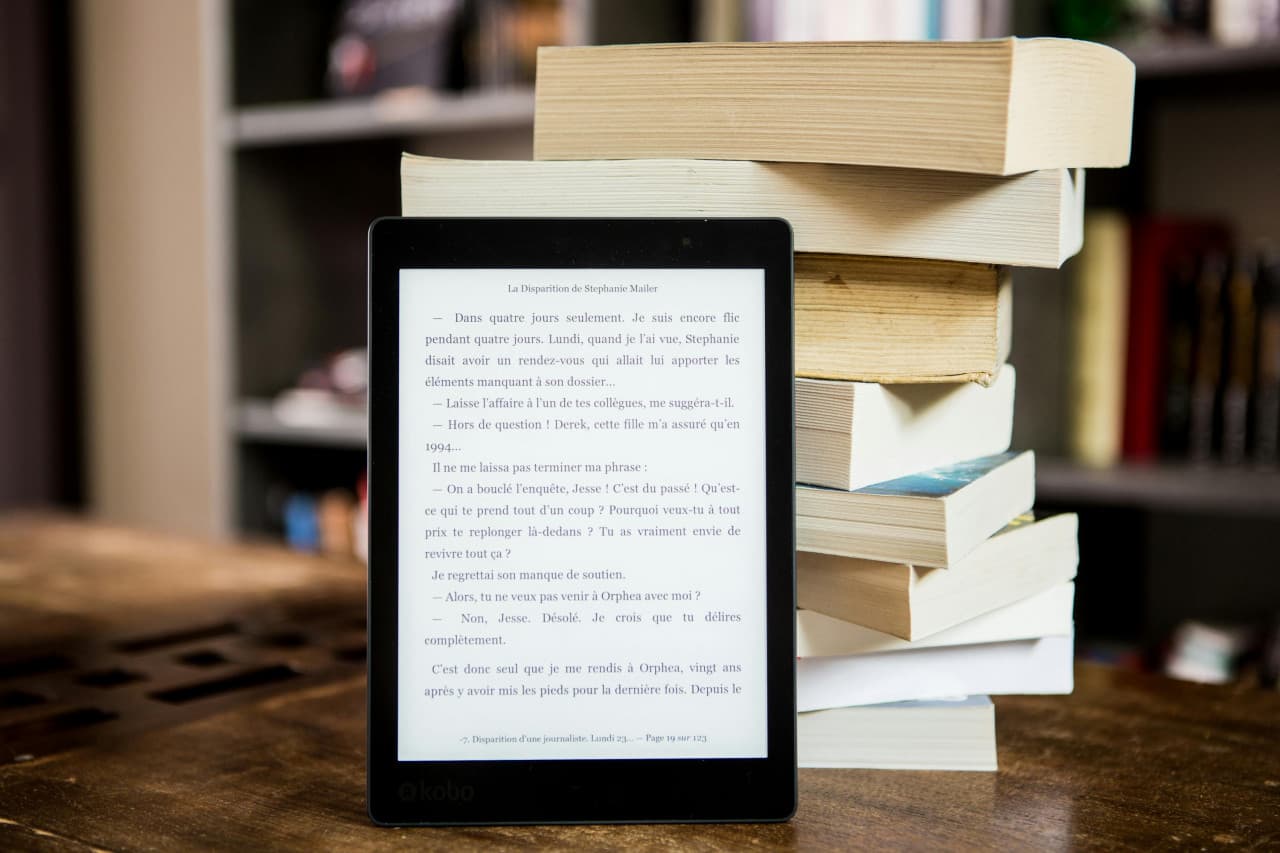
Let’s talk about e-books for a moment. For years, the e-book industry has been viewed as a static alternative to print - convenient, yes, but hardly interactive. That’s changing.
New technology now allows enhanced e-books to include embedded sound, animation, and video elements. Imagine a picture book where the sound of rain gently plays as you turn the page, or a mystery novel that includes an eerie score during a tense chapter.
This opens up an entirely new lane for music composers - especially those seeking new outlets for their work beyond film and television. Writing music for stories, characters, or even emotional beats can be both fulfilling and financially viable.
For authors, it means your story can connect with audiences through multiple senses. For readers, it transforms reading from an activity into an experience.
The YouTube and Podcast Factor
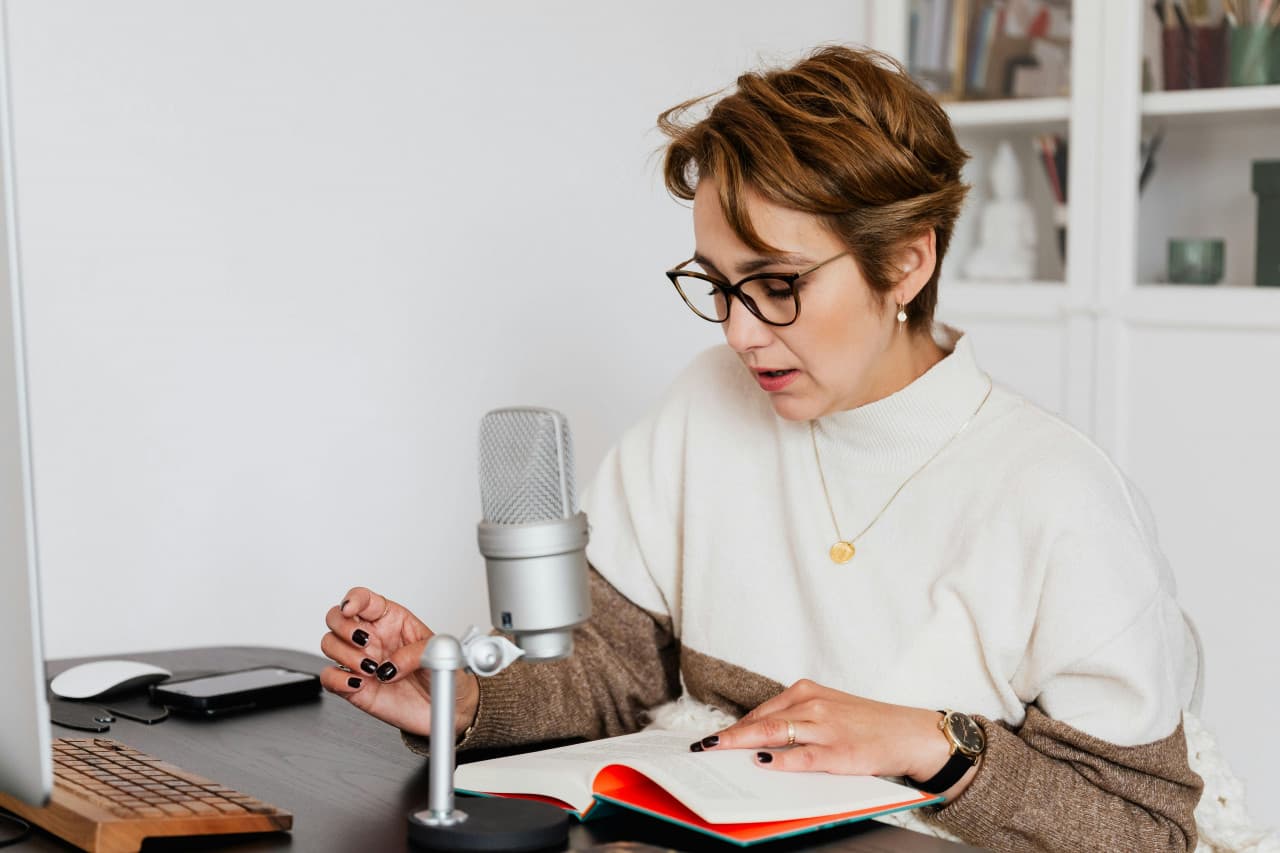
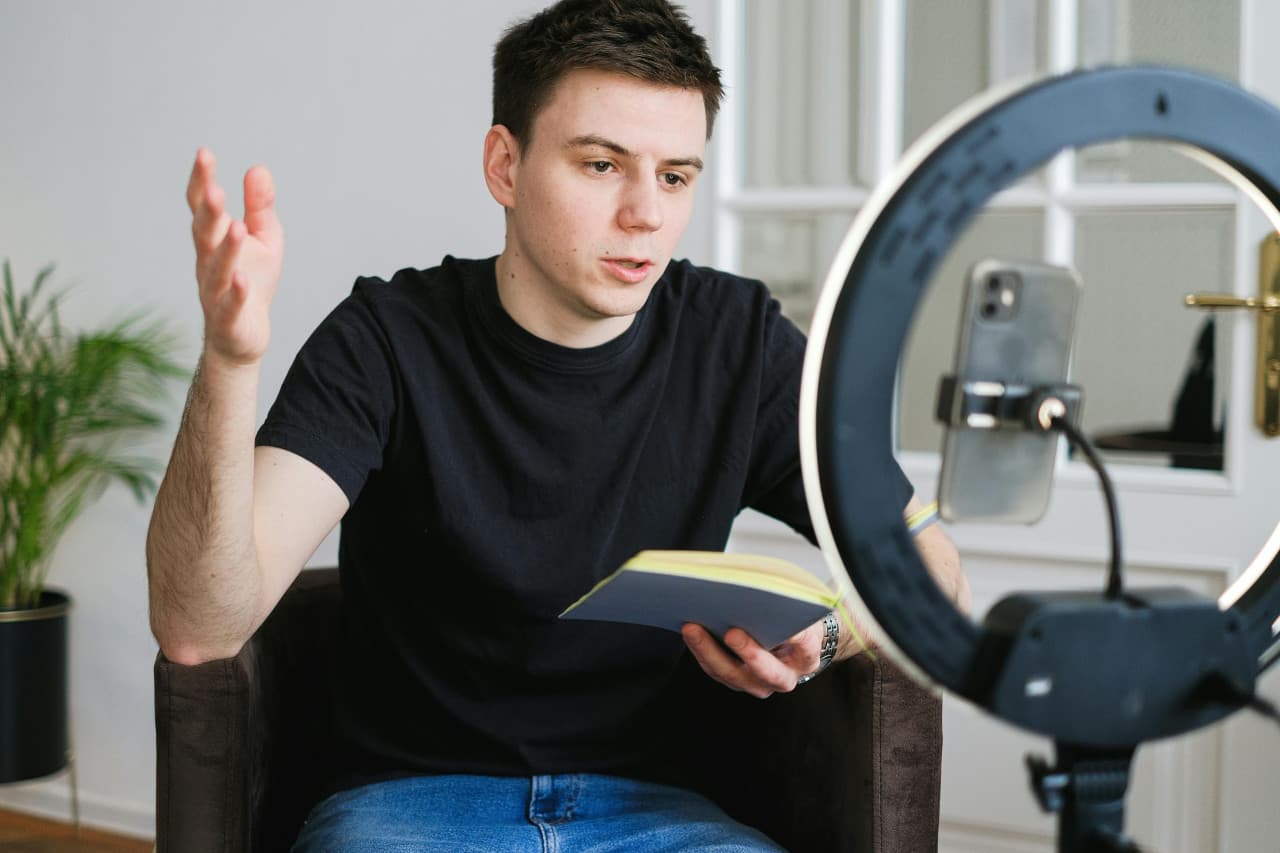
Many authors are now branching out into YouTube, TikTok, and Podcasts - not just to market their work, but to expand their storytelling.
A children’s author might post read-aloud videos with music underscoring each scene. A novelist could release behind-the-scenes vlogs with thematic background tracks. A nonfiction writer might create a podcast series that extends their book’s ideas into conversations, complete with a custom theme tune.
In every one of these examples, music matters. It sets the tone, builds identity, and draws in audiences emotionally.
And just like authors, musicians are also looking for meaningful projects that go beyond streaming playlists. Collaborating with writers gives them purpose-driven creative work - and an audience that’s already invested in a story.
From Book Launch to Event Experience
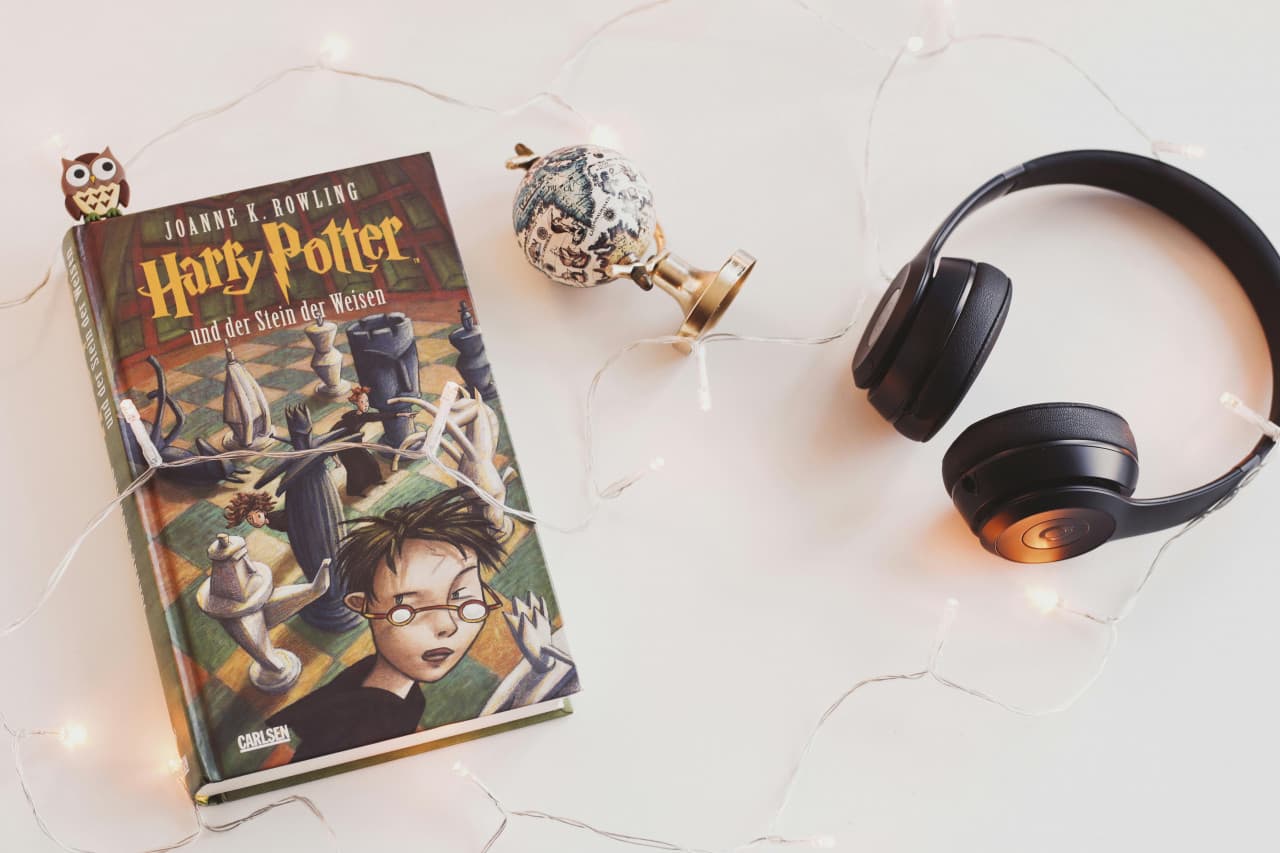
Adam Wallace’s Hatman launch isn’t an isolated success - it’s a model that more authors could embrace. Book launches, festivals, and literary events are no longer confined to speeches and signings. They can be immersive performances.
Imagine a fantasy novel release where musicians play an original score inspired by the story’s world. Or a children’s author partnering with a local school choir to perform songs from their book. Even a poet could collaborate with a DJ or sound designer to turn a spoken word event into a sensory journey.
By blending disciplines, we don’t just sell books - we build communities.
Green Lights for Creatives
So, what are the ‘green lights’ in all this? They’re the signals that say: go ahead, collaborate, cross-pollinate, and innovate.
Here are a few ideas to spark possibilities:
- QR Code Integration - Just like Hatman, use QR codes in your book to link to music, videos, or bonus content.
- Composer Partnerships - Reach out to emerging composers who’d love to build a portfolio. Offer creative exchange rather than large budgets at first.
- YouTube Expansion - Turn your stories into short, animated videos or live readings with original soundtracks.
- Soundtrack Album Releases - Publish a companion soundtrack to your book on Spotify or Bandcamp, offering fans a new way to connect.
- Interactive Audiobooks - Incorporate environmental soundscapes or musical cues that match the emotional rhythm of your chapters.
- Cross-Industry Collaborations - Partner with art schools, film students, or local musicians. Everyone gains exposure and experience.
- Creative Book Launches - Think of your next launch as a show, not an event. Music, visuals, and performance turn it into something unforgettable.
Grey Areas: Where Rules Don’t Yet Exist
Here’s the beautiful truth: there’s no rulebook for how to do this. The ‘grey areas’ are the spaces where traditional publishing hasn’t yet drawn lines - and that’s exactly where innovation thrives.
When we step into these spaces, we permit ourselves to experiment. Maybe your book becomes an online miniseries. Maybe your poetry inspires a dance piece. Maybe your children’s story becomes an animated song on YouTube.
These aren’t distractions from publishing - they’re expansions of it. And as technology continues to democratize production tools, creators have more freedom than ever to collaborate and create multi-sensory storytelling experiences.

A Call to Collaborate
If you’re an author, illustrator, or screenwriter reading this, consider this your invitation to look sideways - not just ahead. The collaborators who can help your work grow might not be in the publishing world at all. They might be:
- The local guitarist who can compose a theme for your character.
- The filmmaker who can turn your story into a short trailer.
- The sound engineer who can build your audiobook’s emotional landscape.
And if you’re a composer, visual artist, or filmmaker: don’t wait to be discovered by the big studios. Reach out to writers. Offer to collaborate on a story, score a reading, or bring a book’s emotion to life through sound.
Publishing doesn’t have to be solitary - it can be symphonic.

And all of these creatives can be found on Stage 32.
‘Green Lights and Grey Areas’ isn’t just about innovation - it’s about community. Every new collaboration sparks a ripple of creativity that reminds us why we tell stories in the first place: to connect, to move, to inspire.
Writers have words. Musicians have sound. Illustrators have vision. When these forces unite, something magical happens - stories transcend their format and become living, breathing experiences.
Adam Wallace’s Hatman proves that the future of publishing isn’t just printed - it’s performed. And as more of us take those creative leaps into the grey areas, we light up new paths for others to follow.
So if you’re waiting for a sign to reach out, collaborate, or think beyond the page - this is it. The light is green. Go.
Connect with fellow creatives through the Stage 32 Lounges. Also, check out the resources under education if you want to explore more creative avenues and check out the webinar library.
Let's hear your thoughts in the comments below!
Got an idea for a post? Or have you collaborated with Stage 32 members to create a project? We'd love to hear about it. Email Ashley at blog@stage32.com and let's get your post published!
Please help support your fellow Stage 32ers by sharing this on social. Check out the social media buttons at the top to share on Instagram @stage32 , Twitter @stage32 , Facebook @stage32 , and LinkedIn @stage-32 .
About the Author
Lauren Hackney
Screenwriter, Author
I started writing after a horrid year in 2020. Covid put an end to my aviation career and only a few months later, my husband of 41 suffered a life-threatening heart attack that left him diagnosed with heart failure. Refusing to have those events as my main memories, I made up stories with my childr...
More in Featured
Browse all



More in Trending
Browse all